Understanding DTF Printing
Direct-to-film (DTF) printing is transforming the custom apparel industry in India, offering unmatched flexibility and quality. This innovative method involves transferring designs onto a special film before applying them to garments, resulting in vibrant, durable prints that overcome many traditional screen printing limitations.
DTF printing uses water-based inks on a PET film, followed by a hot-melt adhesive powder that bonds the design to nearly any fabric, including cotton, polyester, and blends. This technology is particularly attractive for its ability to handle complex, multi-colored designs with photographic detail on both light and dark materials, without requiring pre-treatment.
In India, the demand for customized apparel is booming, and the DTF printing market is growing rapidly. This method is cost-effective for small to medium runs, allowing profitable single-piece production without the need for substantial setup investments or minimum order quantities.
The Problem with Traditional Printing Methods
Traditional apparel decoration methods, such as screen printing, have long frustrated Indian businesses with their limitations. Screen printing is cost-effective for large runs but requires significant upfront investment in screens and setup time, making small orders uneconomical. Complex, multi-colored designs demand separate screens for each color, adding to the challenge.
Heat transfer vinyl (HTV) offers versatility but struggles with durability and requires time-intensive weeding processes for intricate designs. Meanwhile, direct-to-garment (DTG) printing is less effective on dark fabrics, requires expensive pretreatments, and often produces inconsistent results across different textile types.
These conventional methods also limit fabric options, forcing businesses to maintain extensive inventory or turn away customers with specific material requests. Setup costs, minimum order requirements, and lengthy production times create barriers that prevent many Indian businesses from capitalizing on the growing demand for customized apparel.
The projected growth of the DTF printing market underscores the industry’s need for a more efficient solution that addresses these challenges.
How DTF Printing Solves These Issues
DTF printing addresses the major pain points plaguing traditional methods, offering transformative solutions for custom apparel production. DTF transfers eliminate minimum order requirements, allowing businesses to profitably produce single garments or small batches without the setup costs associated with screen printing.
The technology’s fabric versatility is unparalleled – DTF works seamlessly on cotton, polyester, blends, leather, and even synthetic materials that challenge heat transfer vinyl. This compatibility enables businesses to expand their product offerings without investing in multiple decoration systems or turning away customers with specific fabric requirements.
DTF printing requires minimal setup time, in contrast to screen printing’s lengthy preparation process, enabling rapid turnaround times that meet today’s on-demand expectations. Indian businesses have reported significant productivity improvements, reflecting this operational advantage.
Quality consistency is maintained across all order sizes, eliminating the durability concerns associated with heat transfer vinyl while preserving the vibrant color reproduction that screen printing offers only at scale.
Step-by-Step DTF Printing Process
Understanding the DTF printing workflow reveals why this technology delivers consistent, professional results. The process involves five distinct stages that create durable, vibrant transfers ready for application to virtually any fabric.
Step 1: Design Preparation involves preparing your artwork using standard design software. The design is printed in reverse (mirror image) to ensure proper orientation after transfer.
Step 2: Film Printing uses specialized DTF printers to apply CMYK colors plus white ink directly onto PET film. The white ink serves as an opaque base layer, allowing vibrant colors to appear on dark fabrics.
Step 3: Powder Application involves coating the printed film with hot-melt adhesive powder while the ink remains wet. A powder shaker evenly distributes the adhesive, which bonds chemically with the ink layer.
Step 4: Curing melts the adhesive powder using a conveyor dryer or curing oven, creating a solid adhesive layer that transforms the printed film into ready-to-use DTF heat transfers.
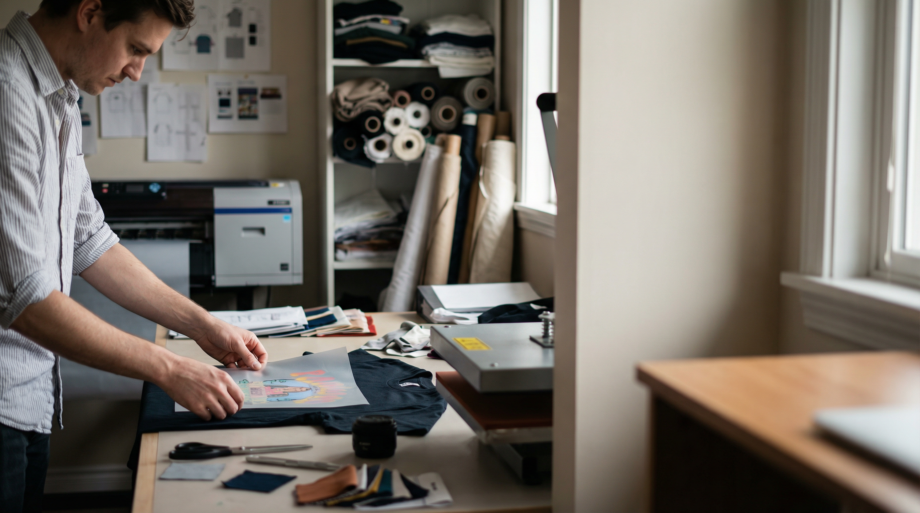
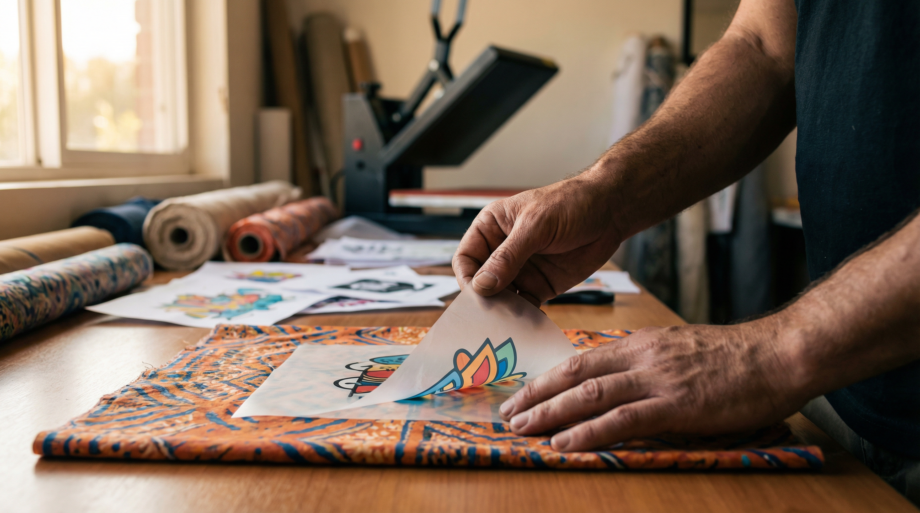
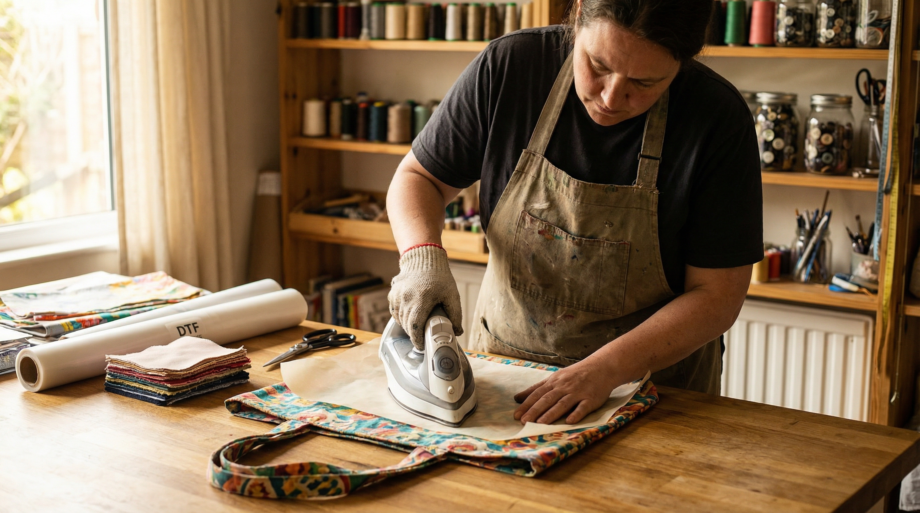
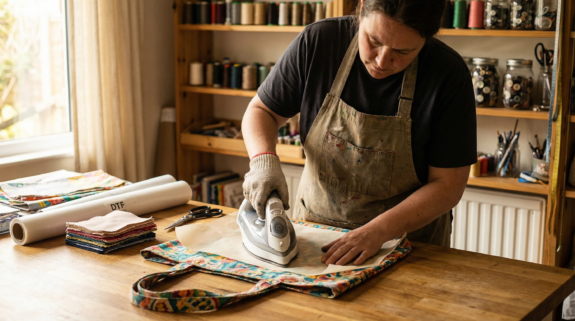
Step 5: Application uses a heat press to transfer the design onto the garment, creating a permanent bond that withstands multiple wash cycles.
This streamlined process eliminates the complexity of traditional methods while delivering professional results.
Case Study: Successful DTF Implementation in a Small Indian Business
Local startup ThreadCraft, based in Bengaluru, exemplifies how DTF printing transforms small business operations. Previously challenged by screen printing’s minimum order requirements and vinyl’s durability issues, the company transitioned to DTF technology in late 2023.
The results were impressive: ThreadCraft reduced production time by 60% while expanding their product catalog from basic t-shirts to complex designs on hoodies, bags, and even leather jackets. Their custom heat transfers now feature vibrant gradients and fine details that were previously impossible.
Most importantly, DTF eliminated the inventory gamble. Instead of pre-printing hundreds of shirts, ThreadCraft prints on-demand, freeing up ₹12 lakh in working capital that was previously tied up in unsold inventory.
The technology’s versatility proved crucial during peak seasons. When a local cricket team needed 200 custom jerseys with individual names and numbers, ThreadCraft completed the order in three days—a job that would have taken weeks with screen printing setup.
According to market analysis, DTF adoption among small Indian businesses is accelerating, driven by these operational advantages. ThreadCraft’s experience demonstrates why this printing revolution benefits smaller operations seeking efficiency without sacrificing quality.
Comparison: DTF vs. Other Printing Methods
When comparing DTF printing services to traditional methods, the differences are striking across multiple performance metrics. Screen printing, while cost-effective for large runs, requires separate screens for each color and design, making small batches uneconomical. Heat transfer vinyl demands manual weeding and layering, creating production bottlenecks that DTF eliminates entirely.
Direct-to-garment (DTG) printing shares DTF’s digital advantages but struggles with fabric compatibility—particularly on dark or synthetic materials where DTF excels. Sublimation printing produces vibrant colors but works exclusively on polyester fabrics, while DTF transfers adhere to virtually any textile blend.
The durability comparison reveals DTF’s technical superiority. While vinyl transfers may crack or peel after repeated washing, and screen printing can fade on certain fabrics, DTF creates a flexible polymer layer that moves naturally with the garment.
Setup costs also favor DTF operations—no screens, no weeding tools, no fabric pretreatment chemicals. This streamlined workflow explains why many businesses are transitioning from multiple printing methods to DTF-only operations.
Common Misconceptions About DTF Printing
Despite DTF’s growing popularity, several misconceptions create unnecessary hesitation among potential users. Many assume DTF requires massive upfront investment similar to industrial screen printing setups. In reality, entry-level DTF systems start around ₹2 lakh, making them accessible for small businesses and entrepreneurs.
Another belief suggests DTF supplies are prohibitively expensive or difficult to source. However, the competitive supply chain in India has driven down costs significantly, with powder adhesives and specialty films readily available from multiple vendors at reasonable prices.
Quality concerns also persist from DTF’s early days. Critics often claim prints lack durability or color vibrancy compared to screen printing. Modern DTF technology produces prints lasting 50+ wash cycles while maintaining excellent color reproduction across complex designs.
These misconceptions often prevent businesses from exploring DTF’s genuine advantages, creating opportunities for early adopters who look beyond outdated assumptions.
Limitations and Considerations
While DTF printing offers remarkable versatility, understanding its constraints helps set realistic expectations for your projects. The most significant limitation involves direct-to-film printers requiring substantial upfront investment, with professional-grade equipment ranging from ₹2 lakh to ₹12 lakh.
Color vibrancy can vary depending on fabric composition and color. Dark fabrics showcase DTF prints beautifully, but extremely light colors on white substrates may appear slightly muted compared to direct printing methods. The film transfer process also creates a subtle texture that some users notice.
Storage requirements present another consideration. DTF films must remain in controlled environments to prevent premature adhesive activation, and printed transfers have limited shelf life before quality degrades.
Setup complexity shouldn’t be underestimated either. Proper temperature calibration, pressure settings, and curing times require initial learning curves that can temporarily impact production efficiency. However, these limitations pale compared to DTF’s flexibility advantages, leading many businesses to find the trade-offs worthwhile.
Frequently Asked Questions About DTF Printing
What fabrics work best with DTF transfers? DTF printing excels on cotton, polyester, cotton-poly blends, canvas, and even leather. Unlike vinyl or sublimation, DTF adheres to virtually any fabric color and composition, making it the most versatile transfer method available.
How long do DTF transfers last? With proper application and care, DTF transfers typically withstand 50+ wash cycles while maintaining vibrant colors and flexibility. The key is using quality powder adhesive and following correct heat press temperatures.
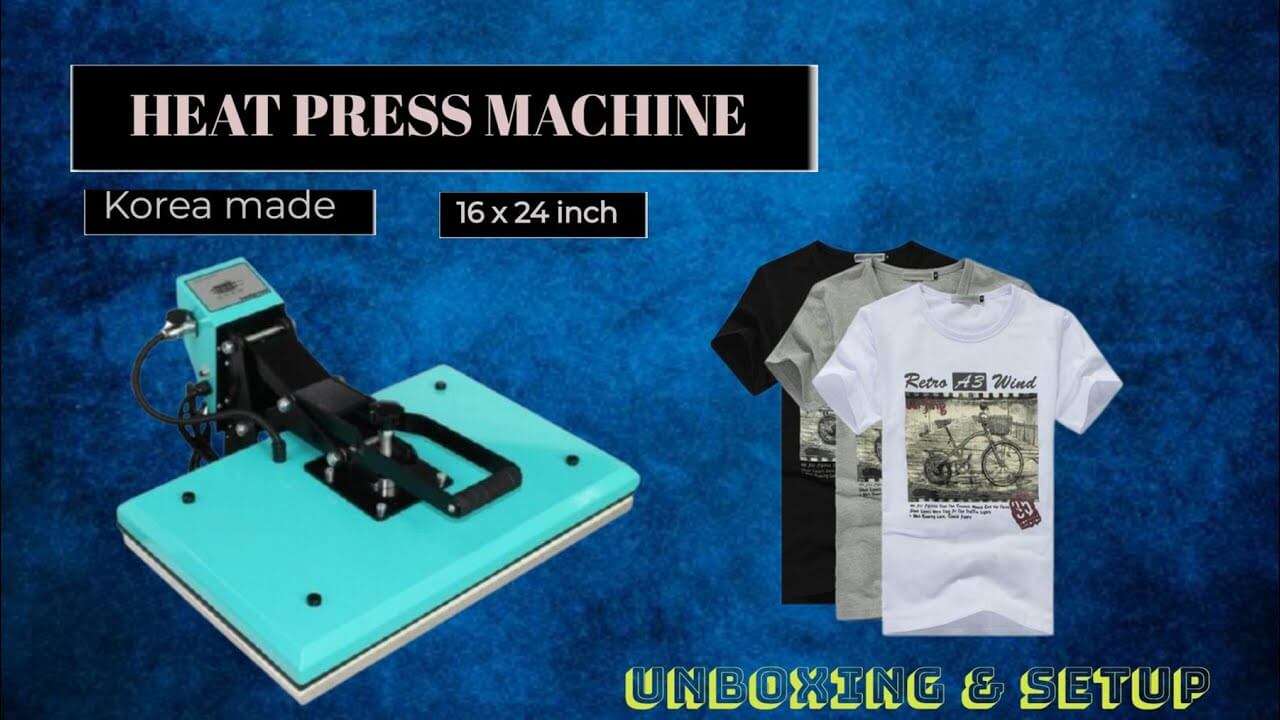
Can I use any heat press with DTF? Standard heat presses work perfectly for DTF transfers. Set temperature to 160°C, apply medium pressure for 15 seconds, then peel hot for best results. No special equipment beyond your DTF printing machine is required.
What’s the difference between DTF and HTV? DTF creates full-color, detailed designs with a softer feel, while heat transfer vinyl is limited to solid colors and simple graphics. DTF also eliminates the weeding process entirely.
How much does DTF equipment cost? Entry-level DTF printing machine setups start around ₹1.5 lakh, while professional systems range from ₹4 lakh to ₹10 lakh. The investment pays off quickly for businesses producing high-volume custom apparel orders.
Key Takeaways
DTF printing represents a transformative shift in custom apparel production, offering unmatched versatility across fabric types while maintaining professional-quality results. Unlike traditional methods, DTF transfers work equally well on cotton, polyester, blends, and specialty materials without requiring different processes for each substrate.
The technology’s cost-effectiveness becomes apparent at various production scales. Small businesses benefit from minimal setup requirements and no inventory constraints, while larger operations capitalize on streamlined workflows and reduced waste compared to screen printing or embroidery.
When evaluating DTF printing vs sublimation, the key differentiator lies in fabric compatibility. Sublimation requires polyester-heavy materials and light-colored substrates, while DTF excels on dark fabrics and natural fibers where sublimation fails entirely.
Durability remains DTF’s strongest selling point – properly applied transfers withstand 50+ wash cycles while maintaining vibrant colors and soft hand feel. This longevity, combined with the ability to produce photo-realistic designs and gradients, positions DTF as the go-to solution for premium custom apparel.
The learning curve is manageable for most operators, making DTF accessible to businesses transitioning from other printing methods or entering the custom apparel market for the first time.
What is DTF in Printing?
DTF stands for Direct-to-Film printing, a revolutionary digital printing method that creates vibrant, durable transfers on specialized PET films. Unlike traditional methods, DTF uses water-based pigment inks applied directly onto film, followed by hot-melt adhesive powder that bonds the design to virtually any fabric through heat pressing.
The process begins with printing your design onto a clear polyethylene terephthalate (PET) film using specialized DTF inks. After printing, hot-melt powder is applied to the wet ink, creating the adhesive layer that will bond to the fabric. The film is then cured, typically through a conveyor dryer or heat press, before being applied to the garment.
DTF printing vs screen printing reveals significant advantages for modern apparel decoration. While screen printing requires separate screens for each color and minimum order quantities, DTF handles unlimited colors in a single pass with no setup costs. This makes DTF ideal for small runs, complex designs, and on-demand production.
The technology has gained tremendous momentum, with the market experiencing rapid expansion as businesses recognize its cost-effectiveness and versatility across cotton, polyester, and specialty fabrics.
Is DTF Printing Long Lasting?
DTF printing delivers exceptional durability when properly executed, with transfers typically lasting 50+ wash cycles while maintaining vibrant colors and adhesion. The longevity depends heavily on three critical factors:
- powder adhesive quality
- proper heat application
- post-application care.
The hot-melt adhesive powder creates the foundation for durability. When heated correctly during application, this powder melts and penetrates fabric fibers, creating a mechanical bond that resists cracking and peeling. However, insufficient heat or pressure during application can compromise this bond, leading to premature failure.
Wash temperature significantly impacts lifespan – DTF transfers perform best when washed in cold water and air-dried. Hot water and high-heat drying can gradually break down the adhesive bond, causing edges to lift or colors to fade.
Quality varies between manufacturers and ink formulations. Premium DTF inks and films often include UV-resistant additives that prevent sun damage, while budget options may fade more quickly when exposed to direct sunlight or harsh detergents.
A properly applied DTF transfer should maintain flexibility without cracking even after multiple wash cycles, making it ideal for activewear and frequently laundered items. This durability profile positions DTF favorably against other printing methods, though specific performance comparisons reveal important distinctions worth examining.
Which is better DTG or DTF?
DTF printing outperforms DTG in several critical areas, making it the preferred choice for most modern printing operations. While DTG (Direct-to-Garment) excels at intricate detail work on cotton fabrics, DTF offers superior versatility by printing on virtually any fabric type, including polyester, blends, and performance materials that DTG struggles with. The cost efficiency advantage heavily favors DTF printing. DTG requires expensive pretreatment for dark fabrics and uses significantly more ink per print, especially for white ink underlays. DTF eliminates pretreatment steps entirely while using ink more efficiently through its transfer process.
Production speed represents another DTF advantage. While DTG prints directly onto garments one at a time, DTF allows batch printing of transfers that can be pressed quickly onto multiple items. This workflow proves especially beneficial for larger orders where DTF’s batch-and-press approach dramatically reduces per-unit production time.
However, DTG maintains advantages in fine detail reproduction and seamless integration for cotton-heavy operations. The direct printing method can capture extremely fine gradients and text details that might be challenging with DTF transfers.
In practice, most businesses find DTF’s combination of fabric versatility, cost efficiency, and production flexibility makes it the more practical choice for diverse printing needs, while DTG remains optimal for high-detail cotton applications.
Is DTF Better Than Vinyl?
DTF printing significantly outperforms traditional vinyl in flexibility, durability, and production efficiency. Unlike vinyl transfers that create a thick, plastic-like layer on fabric, DTF transfers integrate seamlessly with textile fibers, and resulting in a softer feel that doesn’t crack or peel over time. The cost advantage becomes clear at scale – while vinyl requires cutting individual designs and weeding excess material, DTF prints multiple designs simultaneously without waste. This efficiency translates to faster turnaround times and lower labor costs, particularly for complex, multi-color designs that would require multiple vinyl layers.
Durability testing consistently favors DTF transfers, which maintain color vibrancy and adhesion through 50+ wash cycles. Vinyl transfers, especially heat transfer vinyl (HTV), often begin showing edge lifting and color fading after 15-20 washes, particularly on frequently laundered items like athletic wear.
However, vinyl maintains advantages for simple, single-color designs and offers immediate application without curing time. For businesses prioritizing versatility, production speed, and long-term customer satisfaction, DTF represents the superior choice. This performance gap explains why many custom apparel businesses are transitioning from vinyl to DTF for their primary production method.
Where do you purchase your DTF transfers?
Multiple purchasing channels serve different business needs in India, from local suppliers offering personalized service to online marketplaces providing competitive pricing and extensive selection. The choice depends on your volume requirements, timeline, and quality standards.
Local print shops and specialty suppliers often provide the most reliable service for businesses requiring consistent quality and quick turnaround times. These suppliers typically offer technical support, can troubleshoot issues immediately, and making them ideal for businesses just starting with DTF printing. Online marketplaces like IndiaMART and dedicated DTF suppliers dominate the retail landscape, offering competitive pricing through bulk ordering options. Many businesses split their purchasing between local suppliers for urgent orders and online vendors for planned inventory.
Direct manufacturer relationships become valuable as order volumes increase. The expanding DTF printing market has created more direct-to-consumer channels, allowing businesses to negotiate better pricing while ensuring consistent supply chains.
However, supplier selection involves more than just price comparison—you’ll need to evaluate factors like print durability, color consistency, and shipping reliability. These purchasing decisions directly impact the common operational challenges that many DTF users encounter.
What are the most common issues you experienced with DTF printing?
Film adhesion failures represent the most frequent challenge operators encounter, typically manifesting as designs peeling or lifting during the curing process. Temperature inconsistencies often cause this issue, as DTF requires precise heat control for optimal film bonding.
Ink bleeding and color saturation problems occur when printer settings don’t align with film specifications. White ink opacity issues particularly plague newcomers, as insufficient base layers create muddy colors and poor contrast. Print head clogging from DTF-specific inks compounds these color quality concerns.
Powder application inconsistencies create patchy adhesion patterns. Too much powder wastes materials and creates thick, uncomfortable textures, while insufficient coverage results in transfer failures. Environmental factors like high humidity levels significantly impact powder adhesion quality.
Equipment maintenance challenges emerge as printers require more frequent cleaning cycles compared to standard printing. DTF inks tend to be more aggressive, leading to faster wear on print heads and capping stations. Proper daily maintenance routines become crucial for consistent output quality and equipment longevity.
Understanding these common pitfalls helps businesses evaluate whether DTF technology aligns with their operational capabilities and quality expectations before making significant equipment investments.
DTF (Direct to Film) best for small business?
DTF printing presents compelling advantages for small Indian businesses seeking cost-effective customization solutions without the overhead of traditional screen printing setups. The technology eliminates minimum order requirements, allowing entrepreneurs to fulfill single-unit orders profitably while maintaining competitive pricing.
Lower barrier to entry makes DTF particularly attractive for startups and home-based businesses. Unlike screen printing’s expensive setup costs per design, DTF operates on a per-piece model that scales naturally with demand. Small businesses can test new designs, respond quickly to market trends, and build inventory gradually without significant upfront investments.
Market growth supports long-term viability for small business adoption. The DTF printing market shows robust expansion potential, indicating sustained demand that benefits smaller operators entering the space. This growth trajectory suggests stable opportunities for businesses building their customer base around DTF capabilities.
However, small businesses must consider ongoing consumable costs and the learning curve associated with achieving consistent quality results. Success depends on proper training, quality equipment selection, and understanding target market needs rather than simply adopting the technology. With these fundamentals in place, DTF printing offers small businesses a viable path to compete effectively in the custom apparel market.
How can I better prep my file for DTF printing?
File resolution stands as the cornerstone of successful DTF printing, with 300 DPI serving as the minimum threshold for professional results. Vector formats like AI or EPS deliver superior scalability, while high-resolution PNGs work well for complex photographic designs that can’t be vectorized.
Color profile management prevents costly reprints and customer disappointment. Converting designs to CMYK before printing eliminates the color shifting that occurs when printers automatically convert RGB files. Bright, saturated colors often require special attention—what appears vibrant on screen may print dull without proper color compensation.
Design sizing requires strategic planning beyond simple dimension matching. Adding a 0.125-inch bleed around your design prevents white edges during the cutting process, while keeping text and critical elements